
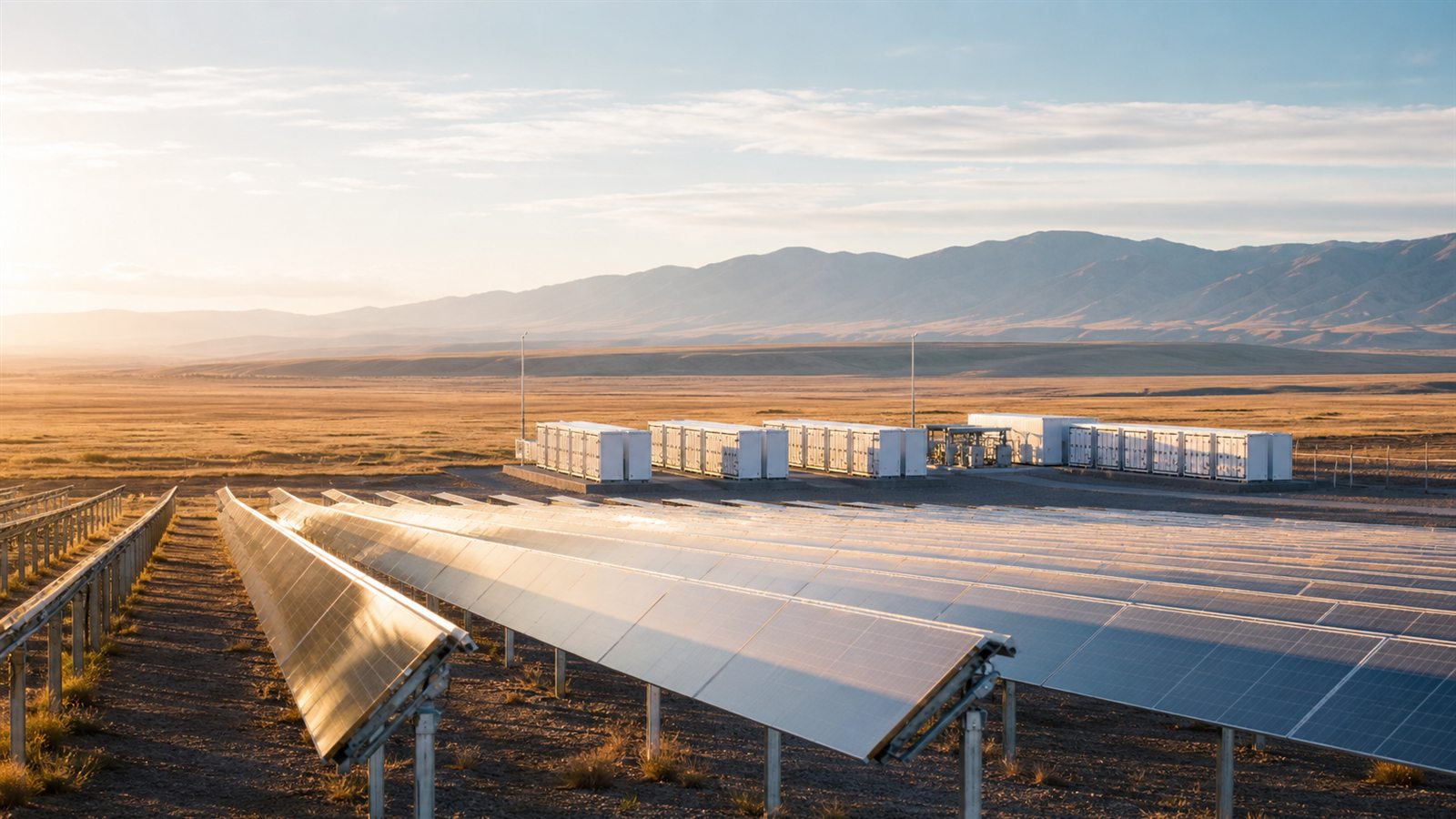
BC Hydro and the Province of British Columbia are advancing a proposed battery energy storage project near Duncan on Vancouver Island. The project is described as British Columbia's first utility-scale battery storage development and is intended to provide at least 100 MW of flexible capacity.
Key facts
- The project is proposed near Duncan, British Columbia, on Vancouver Island.
- BC Hydro describes it as the province's first utility-scale battery storage project.
- The plan targets at least 100 MW of flexible capacity.
- BC Hydro plans to issue a supplier-qualification request on July 30, 2026.
- The announced target is for the facility to enter service by 2030.
Why it matters
Supplier qualification is an early but meaningful procurement milestone. It gives battery integrators, inverter makers, EPC contractors and grid-services specialists a signal to assess technical eligibility, safety credentials, local delivery capability and commercial partnerships before a final competition is launched.
The project also demonstrates why utilities are increasingly procuring storage as grid infrastructure rather than treating it only as a solar add-on. A large battery can respond quickly to changes in load or generation, help manage peak periods and provide operating flexibility as electricity demand and renewable supply evolve. The exact duration, interconnection design and operating services will be key questions as the procurement advances.
For companies active in Canada, the timeline offers a practical watchpoint. The most useful preparation now is to review the qualification requirements once released, identify proven BESS safety and warranty evidence, and ensure that controls and commissioning plans can meet utility expectations. Storage projects are highly integrated systems, so technical interfaces between batteries, power conversion, protection and utility dispatch should be clear from the bid stage.
Sources
SolarXList summary based on publicly available sources checked on July 23, 2026.