
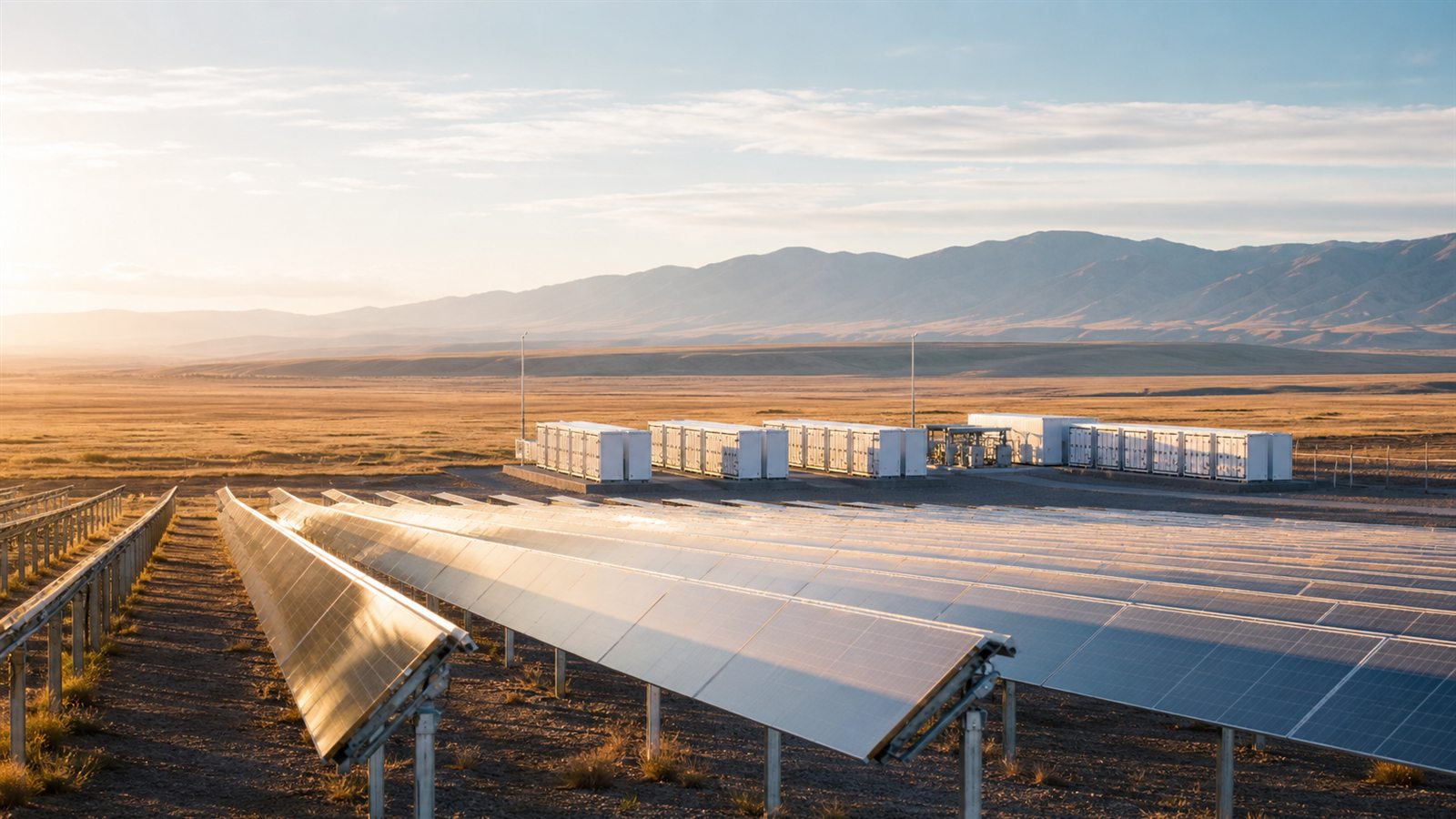
Idemitsu Australia is planning a vanadium flow battery of up to 108 MW / 864 MWh at the Muswellbrook Clean Industries Precinct in New South Wales. The proposed Hunter Vanadium Flow Battery would be located at the former Muswellbrook Coal Mine, which ceased operations in 2022.
Key facts
- The proposed project is sized at up to 108 MW / 864 MWh.
- The eight-hour duration distinguishes it from the shorter-duration lithium-ion systems commonly paired with solar projects.
- The site is the Muswellbrook Clean Industries Precinct in the Hunter-Central Coast Renewable Energy Zone.
- The former Muswellbrook Coal Mine stopped operating in 2022.
- Idemitsu also plans a 12.6 MWh flow battery paired with the Boggabri mine solar farm.
Why it matters
Long-duration storage is becoming a more visible procurement category as grids add solar and wind generation. An eight-hour system is designed for a different operating role from a two-hour battery: it can support longer energy shifts and may be relevant where utilities need flexibility beyond short peak balancing.
Flow batteries use a different storage architecture from lithium-ion systems. Their energy capacity is associated with electrolyte volume, while the power component is linked to the cell stack. That separation can appeal to buyers evaluating duration, cycling profiles and site-specific operating needs, although every technology choice still requires careful review of efficiency, footprint, maintenance and commercial guarantees.
The planned reuse of a former mine site is also significant. Repurposing industrial land can connect clean-energy investment with communities affected by coal closures, but it still requires robust planning for grid access, permitting, civil works and local benefits. Suppliers should treat this as an early project signal and monitor formal development, procurement and partner announcements rather than assume a final investment decision has already been made.
Sources
SolarXList summary based on publicly available sources checked on July 23, 2026.